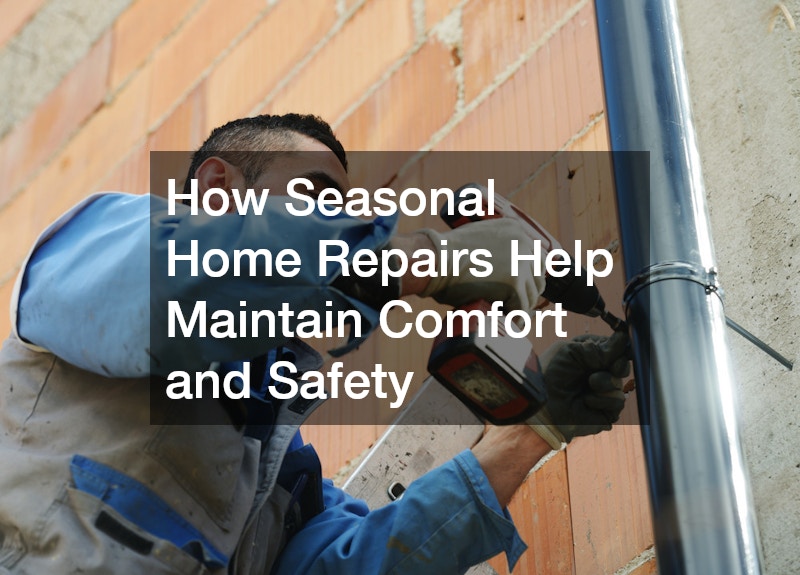
Maintaining a comfortable and safe home is an ongoing responsibility that changes with the seasons. Each time the weather shifts, different parts of a house are exposed to new stresses, from freezing temperatures and heavy snowfall to intense heat, humidity, and storms. Seasonal maintenance is not just about keeping a home looking good; it plays a direct role in protecting structural integrity, supporting daily comfort, and reducing the risk of unexpected problems. When homeowners approach upkeep with a seasonal mindset, they are better prepared to address small issues before they turn into larger disruptions.
A seasonal approach also helps homeowners plan more effectively. Instead of reacting to emergencies, they can anticipate what their home will need at different points in the year. This mindset supports smarter budgeting, more efficient scheduling with professionals, and fewer interruptions to everyday life. Thoughtful planning ensures that essential systems are inspected and maintained when conditions are most favorable, reducing strain on the home and the people living in it.
Comfort and safety are closely linked in residential environments. Drafty rooms, uneven temperatures, moisture intrusion, and worn exterior features can all affect how secure and livable a home feels. By staying attentive to seasonal demands, homeowners can preserve consistent indoor conditions while also minimizing hazards. Over time, this proactive approach to home repairs contributes to a more resilient living space that performs well regardless of weather extremes.
Preparing the Home’s Exterior for Seasonal Stress
Seasonal changes place significant demands on a home’s exterior, which serves as the first line of defense against environmental exposure. Temperature swings cause materials to expand and contract, while rain, snow, wind, and sunlight gradually wear down surfaces. Addressing exterior needs at the right time of year helps maintain both safety and comfort inside the home. Routine inspections allow homeowners to spot early signs of deterioration before they escalate into costly structural concerns.
Outdoor living areas deserve particular attention because they are often exposed year-round. Wooden structures, railings, and stairs can loosen or degrade over time, creating safety risks. Working with a deck contractor during mild weather allows for proper repairs, sealing, or reinforcement before seasonal extremes arrive. Ensuring that outdoor features are stable and well-maintained reduces the likelihood of accidents and extends the usable life of these spaces.
Seasonal exterior upkeep also includes managing water flow around the property. Clearing debris from gutters, grading soil away from foundations, and checking drainage systems all help prevent moisture-related damage. Excess water can compromise foundations, siding, and interior spaces if left unaddressed. Proactive exterior maintenance supports safer entryways, drier basements, and fewer slip hazards during wet or icy conditions.
When exterior repairs are planned seasonally, homeowners gain greater control over their environment. Addressing wear before it worsens limits disruptions and helps preserve indoor comfort. This approach reinforces the importance of home repairs as a preventive strategy rather than a reactive one, supporting long-term safety and peace of mind.

Managing Waste and Debris During Maintenance Projects
Seasonal maintenance often generates waste, especially when homeowners tackle larger projects such as cleanouts, renovations, or exterior updates. Old materials, damaged fixtures, and accumulated debris can quickly create clutter and safety hazards if not handled properly. Planning for waste removal is an essential part of maintaining a clean and functional property throughout the year.
During major maintenance efforts, working with dumpster rental companies provides a practical way to manage debris efficiently. Having a designated container on-site keeps walkways clear, reduces tripping hazards, and prevents sharp or heavy materials from accumulating in unsafe areas. This is particularly important during seasonal transitions when weather conditions may already make outdoor spaces more challenging to navigate.
Proper waste management also supports environmental responsibility and neighborhood safety. Debris left exposed can attract pests, obstruct drainage, or become airborne during storms. Organized disposal helps maintain compliance with local regulations and keeps properties looking orderly. Seasonal planning ensures that waste removal aligns with the scope and timing of maintenance work.
By incorporating waste management into seasonal routines, homeowners reduce stress and improve overall safety. Clean work areas allow projects to progress smoothly and minimize disruptions to daily life. In this way, thoughtful planning around home repairs extends beyond the repair itself and contributes to a safer, more comfortable living environment.
Supporting Interior Comfort Through Functional Surfaces
Interior surfaces play a subtle but important role in household comfort and usability. Countertops, in particular, experience daily wear from cooking, cleaning, and general activity. Seasonal maintenance provides an opportunity to assess their condition and address issues that could affect hygiene, safety, or functionality.
Cracks, uneven seams, or water damage can compromise both appearance and performance. Coordinating updates with local countertop contractors during planned maintenance periods allows homeowners to address these concerns efficiently. Replacing or repairing worn surfaces improves food preparation safety and reduces the risk of moisture-related damage spreading to cabinets or flooring.
Seasonal timing matters for interior projects as well. Cooler months often provide a chance to focus on indoor improvements when outdoor work is less practical. Addressing interior surfaces during these periods helps balance workloads and keeps the home functional year-round. Improved countertops can also support better organization and workflow in kitchens and bathrooms.
Maintaining interior surfaces as part of a broader seasonal strategy reinforces the value of proactive home repairs. Small updates completed at the right time help preserve comfort, reduce daily frustrations, and support a safer living environment for everyone in the household.
Strengthening the Building Envelope Against Weather Changes
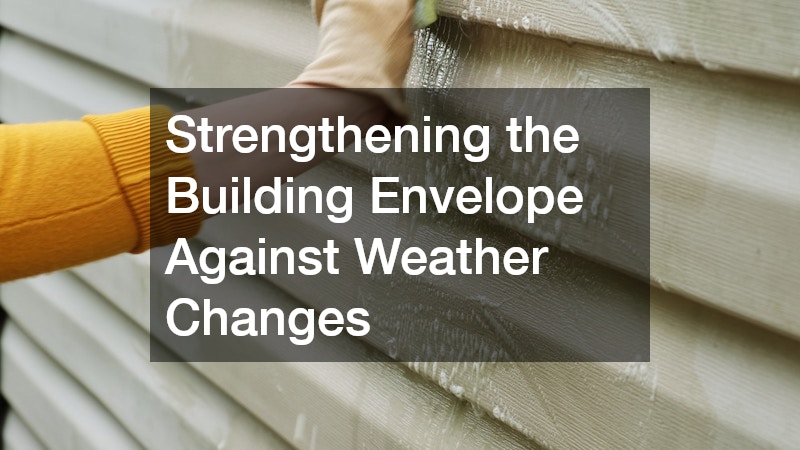
The building envelope—including walls, siding, and insulation—plays a critical role in regulating indoor temperature and protecting against external elements. Seasonal inspections help identify vulnerabilities that may compromise comfort or safety. Cracks, gaps, or damaged materials can allow moisture and air infiltration, leading to drafts and uneven indoor conditions.
Partnering with local siding contractors during appropriate seasons allows repairs to be completed under optimal conditions. Proper siding maintenance supports energy efficiency by reducing heat loss in winter and limiting heat gain in summer. It also protects underlying structures from moisture damage, which can lead to mold growth or structural deterioration.
Seasonal attention to siding and exterior walls also improves overall safety. Loose panels or deteriorated materials can pose hazards during high winds or storms. Addressing these issues proactively reduces the risk of damage spreading and helps maintain a secure perimeter around the home.
When homeowners prioritize the building envelope as part of seasonal home repairs, they create a more stable indoor environment. Consistent temperatures, improved air quality, and reduced maintenance surprises all contribute to a safer and more comfortable home throughout the year.
Protecting the Home From Overhead and Structural Risks
The roof is one of the most critical components of any home, shielding occupants from weather while supporting overall structural stability. Seasonal inspections are essential because roofing materials are constantly exposed to sun, wind, rain, and snow. Small issues can quickly escalate if not addressed at the right time.
Scheduling roof repair and replacement during appropriate seasons helps ensure materials perform as intended and installations are completed safely. Identifying damaged shingles, flashing issues, or drainage problems early reduces the likelihood of leaks and interior water damage. A well-maintained roof also supports consistent indoor temperatures by preventing heat loss or gain.
Roof-related maintenance has a direct impact on safety. Loose materials can become hazards during storms, while leaks can compromise ceilings, insulation, and electrical systems. Seasonal attention allows homeowners to address these concerns before severe weather places additional stress on the structure.
By integrating roof care into a broader seasonal plan, homeowners reinforce the importance of timely home repairs. This approach protects both the physical structure of the house and the comfort of those living inside it.

Maintaining Climate Control Systems for Year-Round Comfort
Indoor comfort relies heavily on effective climate control systems that respond to seasonal temperature changes. Heating and cooling equipment must operate efficiently to maintain consistent indoor conditions while minimizing strain on components. Seasonal maintenance helps ensure these systems are prepared for peak demand periods.
Planning furnace replacements during off-peak seasons allows homeowners to avoid emergencies during extreme cold. Proactive upgrades improve reliability, reduce uneven heating, and support safer operation. Properly functioning systems also help maintain indoor air quality by supporting adequate ventilation and filtration.
In addition to heating equipment, broader residential hvac systems benefit from seasonal inspections and tune-ups. Cleaning components, checking connections, and addressing minor issues help prevent breakdowns when systems are needed most. This attention supports both comfort and safety by reducing the risk of system failures. Consistent climate control is a key outcome of thoughtful home repairs. By addressing heating and cooling needs seasonally, homeowners create a more predictable and comfortable indoor environment throughout the year.
Preserving Property Boundaries and Outdoor Functionality
Outdoor features such as fences contribute to both safety and organization around a home. Seasonal weather can weaken posts, loosen fasteners, or cause materials to warp. Addressing these issues at the right time helps maintain secure boundaries and safe outdoor spaces.
Working with a local fence contractor during mild seasons allows repairs or adjustments to be completed efficiently. Stable fencing supports safety by preventing unauthorized access and keeping pets or children contained. It also helps maintain clear property lines and supports overall outdoor usability.
Seasonal attention to outdoor structures also includes evaluating gates, latches, and surrounding terrain. Ensuring these elements function properly reduces the risk of injuries and improves daily convenience. Regular upkeep keeps outdoor areas accessible and safe throughout the year. Incorporating fence maintenance into seasonal home repairs ensures that exterior spaces remain functional and secure, contributing to overall household comfort.

Enhancing Outdoor Spaces With Purposeful Design Choices
Outdoor living areas are an extension of the home and benefit from thoughtful seasonal planning. Design-focused updates help ensure these spaces remain safe, comfortable, and enjoyable across different weather conditions. Structural integrity and layout both play roles in how outdoor areas are used. When outdoor spaces are planned with seasonal shifts in mind, homeowners can avoid common issues such as pooling water, unstable walking surfaces, or materials that deteriorate prematurely due to temperature fluctuations.
Implementing custom deck design strategies allows homeowners to adapt outdoor spaces to seasonal needs. Proper spacing between boards helps manage expansion and contraction, while adequate drainage reduces moisture buildup that can lead to rot or slipping hazards. Material selection is equally important, as certain finishes and construction methods perform better under repeated exposure to sun, rain, and snow. Seasonal planning ensures that design enhancements are completed under conditions that support long-term durability and reliable performance.
Beyond decks, thoughtful outdoor design considers how people move through and use exterior spaces. Walkway placement, railing visibility, and lighting integration all contribute to safer navigation, especially during shorter daylight hours or wet conditions. Well-designed outdoor spaces encourage safer use by improving visibility, flow, and accessibility, reducing the risk of trips or falls. Addressing these elements during planned maintenance periods helps avoid rushed decisions and limits disruptions to everyday routines.
Design-oriented home repairs support a balanced living environment where indoor and outdoor spaces work together to promote comfort and safety. By treating outdoor areas as functional extensions of the home rather than purely decorative features, homeowners can create spaces that remain usable, stable, and welcoming throughout the year.
Supporting Essential Systems That Protect Daily Living
Plumbing systems are essential to daily comfort and safety, yet they are often overlooked until problems arise. Seasonal maintenance helps identify vulnerabilities caused by temperature changes, pressure fluctuations, or normal wear. Addressing issues early reduces the risk of leaks, water damage, and disruptions. Scheduling routine inspections with a professional plumbing service allows homeowners to prepare systems for seasonal demands. Insulating pipes before winter, checking for corrosion, and addressing slow drains all contribute to safer operation. Preventive care also helps maintain consistent water pressure and quality.
Seasonal plumbing attention supports overall household safety by reducing the likelihood of sudden failures. Water-related issues can compromise floors, walls, and electrical systems if left unaddressed. Proactive planning ensures that essential systems function smoothly. By including plumbing in seasonal home repairs, homeowners reinforce a comprehensive approach to comfort and safety that supports daily living year-round.