Your heating and cooling system works hard all year long to keep your home comfortable. From sweltering summer afternoons to chilly winter nights, your equipment cycles on and off thousands of times. Over time, that constant use leads to wear and tear that can impact performance, efficiency, and reliability. Understanding the most common seasonal issues can help you stay ahead of costly breakdowns and uncomfortable surprises.
By recognizing the warning signs and scheduling timely HVAC repairs, homeowners can protect their investment and avoid emergency service calls. Each season brings its own challenges, and knowing what to expect makes it easier to plan maintenance and repairs proactively rather than reactively.
Spring: Preparing Your Cooling System for Heavy Use
As temperatures begin to rise, your air conditioning system shifts from occasional use to daily operation. Spring is the ideal time to inspect and address issues before peak summer demand hits.
One of the most common seasonal problems involves clogged air filters. After months of winter use, filters may be full of dust and debris, restricting airflow. Poor airflow forces your system to work harder, increasing energy bills and shortening equipment lifespan. Replacing filters is a simple but essential step.
Refrigerant levels should also be checked in spring. Low refrigerant can reduce cooling capacity and may indicate a leak that needs professional attention. You might notice warm air blowing from vents or longer cooling cycles. Addressing refrigerant issues early prevents strain on the compressor, one of the most expensive components to replace.
Outdoor condenser units also deserve attention. Leaves, dirt, and pollen can accumulate around the unit during fall and winter. Clearing debris and ensuring proper airflow helps your system operate efficiently once summer arrives.
Summer: Handling High-Demand Strain
Summer places the greatest stress on your cooling system. Long run times and extreme temperatures increase the likelihood of breakdowns if minor issues have gone unaddressed.
Electrical components often experience wear during heavy operation. Capacitors and contactors may weaken over time, causing your system to struggle to start or shut off unexpectedly. If you hear clicking noises or notice inconsistent cooling, it may signal a component nearing failure.
Drain line clogs are another common summer issue. Air conditioners remove moisture from the air, and that condensation drains through a line. When the line becomes clogged, water can back up into your home, causing leaks or even triggering a system shutdown. Regular inspection helps prevent water damage and unexpected interruptions.
Uneven cooling can also surface during peak heat. If certain rooms feel warmer than others, ductwork leaks or insulation problems could be contributing factors. Seasonal adjustments and targeted HVAC repairs can restore balance and comfort throughout the home.
Fall: Transitioning to Heating Mode
As summer fades and cooler weather approaches, your system transitions from cooling to heating. Fall is the perfect time to evaluate your furnace or heat pump before winter demand increases.
One common issue involves dirty burners or ignition problems in gas furnaces. If your system struggles to start or produces unusual odors when first turned on, it may require cleaning or inspection. Addressing these concerns early ensures safe and reliable operation during colder months.
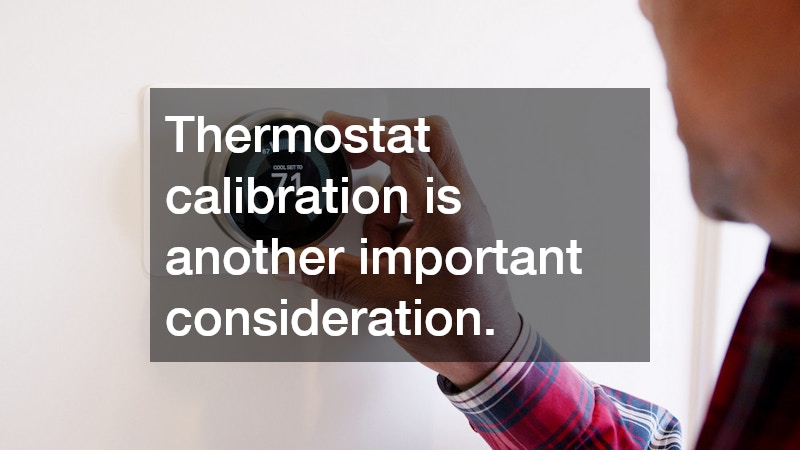
Thermostat calibration is another important consideration. If your home feels cooler or warmer than the temperature setting indicates, recalibration or replacement may be necessary. A properly functioning thermostat improves efficiency and comfort.
Heat pumps also need seasonal attention. Since they operate year-round, reversing between heating and cooling modes, they are particularly susceptible to wear. Inspecting reversing valves and ensuring proper airflow helps prevent mid-season breakdowns.
Taking care of these issues in the fall reduces the risk of emergency calls when temperatures drop significantly.
Winter: Protecting Your System in Cold Conditions
Winter introduces its own set of challenges, especially for heating systems operating continuously during cold spells. Frozen components, airflow restrictions, and mechanical strain can all impact performance.
For heat pumps, ice buildup on the outdoor unit is common in cold climates. While some frost is normal, excessive ice may indicate a defrost cycle problem. Ignoring this issue can reduce heating efficiency and cause long-term damage.
Furnace filters should be checked frequently during the winter months. Restricted airflow can cause overheating, leading to system shutdowns or safety concerns. Keeping filters clean protects internal components and maintains steady warmth.
Strange noises such as banging, rattling, or squealing may signal worn belts, loose parts, or motor issues. These sounds should not be ignored. Prompt attention can prevent more extensive damage and costly repairs later.
Staying attentive to performance changes during winter ensures your home remains comfortable even during extreme weather.
Every season places unique demands on your heating and cooling system. From refrigerant checks in spring to furnace inspections in fall, staying proactive makes a significant difference in system performance and longevity.
Scheduling seasonal maintenance and addressing minor concerns before they escalate can dramatically reduce the need for emergency HVAC repairs. With proper attention throughout the year, homeowners can enjoy consistent comfort, improved energy efficiency, and peace of mind knowing their system is prepared for whatever the weather brings.