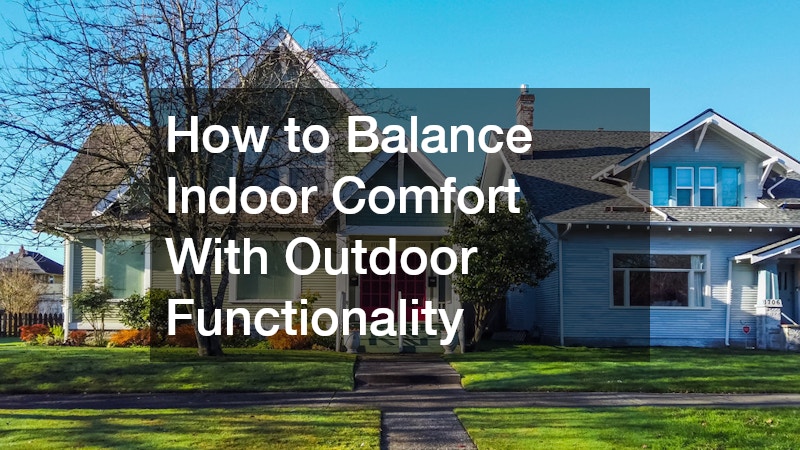
A home works best when indoor living feels just as inviting as the outdoor space. Many homeowners focus heavily on one side while neglecting the other. The result often feels disconnected. You might have a beautiful interior but an underused backyard, or a great patio that doesn’t flow with your indoor layout.
The goal is to create a seamless experience. When done right, your home feels larger, more functional, and more enjoyable year-round. This balance doesn’t require a complete overhaul. It comes from thoughtful planning, consistent upkeep, and smart upgrades that connect both environments.
Below, the client outlines how to approach this balance in a way that makes sense for real homes and real families.
Start With a Unified Vision

Before making changes, it helps to step back and think about how indoor and outdoor spaces should work together. A unified vision avoids mismatched upgrades and wasted money. Without a clear direction, homeowners often invest in improvements that look appealing on their own but fail to connect in a meaningful way.
Consider how your household uses space daily. Some families prioritize entertaining guests, while others focus on quiet evenings and personal relaxation. There are also households that need flexible areas where children can move freely between indoor and outdoor environments. These habits should guide the design process from the beginning.
A cohesive plan often involves home remodeling to improve layout and access points. Expanding doorways or adding large sliding glass doors can dramatically improve how spaces connect. These changes allow natural light to travel deeper into the home, making interior spaces feel brighter while visually linking them to the outdoors.
It is also wise to consult a local general contractor early in the planning stage. Their experience helps identify structural limitations and opportunities that may not be obvious. This guidance ensures that indoor adjustments and outdoor upgrades support each other instead of competing for space or budget.
Improve Flow Between Indoor and Outdoor Areas
A strong connection between inside and outside starts with flow. If moving between the two feels awkward or inconvenient, outdoor areas often go unused. This is especially true in homes where entry points are limited or poorly placed.
Flow is influenced by both design and usability. For example, if a door opens into a cramped space or leads to an uneven surface, it discourages regular use. By contrast, a wide, open entry that leads to a stable, welcoming outdoor surface invites movement and interaction.
The choice of ground materials plays a critical role in this transition. Smooth, durable surfaces make movement safer and more comfortable, especially for families with children or older adults. Professional paving services help create walkways and patios that feel like a natural extension of the home rather than a separate area.
Beyond surfaces, the surrounding layout matters just as much. A well-planned outdoor environment, often designed with help from a landscaping company, creates clear paths and defined spaces. This prevents confusion and encourages people to move freely between zones without hesitation.
Lighting also supports better flow. When indoor lighting aligns with outdoor fixtures, it creates a visual bridge between spaces. This consistency makes the transition feel intentional and comfortable, even during evening hours.
Create Comfortable Outdoor Living Zones
Outdoor areas should feel like a true extension of your living space. Comfort plays a major role in how often these areas are used. If outdoor spaces lack shade, seating, or protection from the elements, they quickly become overlooked.
Designing outdoor zones starts with understanding how each area will be used. A space for dining should feel different from a space intended for relaxation. When these zones are clearly defined, the entire yard becomes more functional and easier to enjoy.
Surface condition is another key factor. Cracked or uneven areas can limit usability and create safety concerns. Addressing pool deck repairs helps maintain a level, secure surface that supports daily use. This is especially important in homes where outdoor activity is frequent.
Visual structure also adds comfort. Incorporating hardscaping elements such as stone pathways, retaining walls, or built-in seating gives outdoor areas a sense of permanence. These features help organize the space while making it feel more connected to the overall home design.
Comfort also depends on small details. Shade structures, weather-resistant furniture, and proper spacing all contribute to a more inviting environment. When these elements come together, outdoor living becomes a natural part of everyday life instead of an occasional activity.
Maintain a Healthy Indoor Environment

Indoor comfort extends beyond appearance. Air quality, moisture control, and overall cleanliness have a direct impact on how a home feels. Neglecting these factors can make even the most well-designed space uncomfortable.
Moisture is one of the most common issues affecting indoor environments. When left unaddressed, it can lead to odors, structural damage, and health concerns. Professional mold removal helps eliminate these problems at their source, improving both comfort and safety.
Walls and finishes also influence indoor comfort more than many people realize. Faded, peeling, or damaged surfaces can make a space feel worn down. Hiring an interior painting contractor allows homeowners to refresh these areas with clean, consistent finishes that brighten the entire home.
Color selection plays a role as well. Lighter tones often make spaces feel more open, while warmer shades create a sense of comfort. When indoor colors complement outdoor surroundings, the transition between spaces feels more natural and cohesive.
Maintaining indoor comfort requires ongoing attention. Small issues, when addressed early, prevent larger problems from developing and help preserve the overall quality of the home.
Strengthen Your Home’s Exterior Protection
Outdoor functionality depends heavily on the condition of your home’s exterior. Structural issues can limit how safely and comfortably outdoor spaces are used. Protecting the exterior ensures both indoor and outdoor environments remain stable.
The roof is one of the most important elements to monitor. Even minor damage can lead to leaks that affect interior comfort and nearby outdoor areas. Routine roof repair helps prevent these issues from escalating into more serious problems.
In cases where damage is more extensive, working with a professional roofing company provides peace of mind. Proper repairs or replacements protect the entire structure, reducing the risk of water intrusion and temperature fluctuations.
Exterior protection also supports long-term durability. When the home’s structure is sound, outdoor features such as patios and decks remain in better condition. This reduces maintenance needs and helps preserve the overall investment.
Consistent inspections and timely repairs make a significant difference. They allow homeowners to address concerns before they disrupt daily living or require costly solutions.
Use Materials That Bridge Indoor and Outdoor Design
Materials play a major role in creating a sense of connection between indoor and outdoor spaces. When finishes and textures complement each other, the home feels more unified and visually appealing.
Choosing the right materials involves more than aesthetics. Durability, maintenance, and climate suitability all influence long-term performance. Surfaces that hold up well outdoors should also align with the look and feel of interior finishes.
Professional paving services can help create outdoor surfaces that blend seamlessly with indoor flooring. Matching tones or textures creates a visual link that makes the transition feel smoother.
Incorporating hardscaping features further strengthens this connection. Stone elements, for example, can echo materials used inside the home while adding structure to outdoor spaces. This consistency helps tie everything together without making the design feel repetitive.
Thoughtful material selection also reduces visual clutter. When each element supports the overall design, the home feels more organized and easier to navigate.
Plan for Year-Round Comfort

A well-balanced home supports comfort in every season. Outdoor spaces should remain usable beyond just a few months of the year, while indoor areas should adapt to changing weather conditions.
Outdoor comfort often depends on protection from the elements. Shade structures provide relief during warmer months, while barriers such as screens or walls help reduce wind exposure during cooler periods. Adding features like fire pits can extend outdoor use well into colder seasons.
Indoor adjustments also play a role. Improving insulation and sealing gaps helps maintain consistent temperatures throughout the home. These updates reduce energy use while making interior spaces more comfortable.
Working with a landscaping company can help design outdoor spaces that respond to seasonal changes. Strategic placement of trees, shrubs, and structures creates natural protection while enhancing the overall layout.
At the same time, selective home remodeling projects can improve how indoor spaces perform throughout the year. These updates make it easier to maintain a comfortable environment regardless of outside conditions.
Address Safety and Long-Term Durability
Safety is a key part of comfort. A home that looks appealing but presents risks will never feel fully functional. Both indoor and outdoor areas should support safe, everyday use.
Outdoor surfaces are a common source of concern. Uneven walkways or worn areas can create hazards, especially in high-traffic zones. Regular inspections and timely pool deck repairs help maintain safe conditions.
Indoor safety also requires attention. Damaged walls or ceilings can indicate deeper issues that need to be addressed. Working with an interior painting contractor can help identify and resolve surface-level problems before they worsen.
Lighting is another important factor. Well-lit spaces reduce the risk of accidents and make movement easier. Consistent lighting between indoor and outdoor areas also improves visibility and comfort.
Durability goes hand in hand with safety. Materials and structures should withstand regular use without frequent repairs. Investing in quality solutions upfront often reduces long-term maintenance needs.
Maximize Property Value Through Balanced Design
A home that connects indoor comfort with outdoor functionality often stands out in the market. Buyers look for properties that feel complete and ready to use without major adjustments.
Functional layouts are a major selling point. When spaces flow naturally, they feel larger and more practical. Strategic home remodeling projects can improve this flow, making the home more appealing to potential buyers.
Working with a local general contractor helps maintain quality across all improvements. Their oversight ensures that upgrades meet professional standards and contribute to the overall value of the home.
Outdoor features also influence value. Well-designed spaces supported by strong hardscaping create additional living areas without expanding the structure. These features make the property more versatile and attractive.
Consistency is key. When indoor and outdoor elements align, the entire home feels more polished and easier to appreciate.
Keep Up With Routine Maintenance
Maintaining balance requires ongoing effort. Even well-designed spaces can lose their appeal if they are not properly cared for. Regular maintenance keeps both indoor and outdoor areas in good condition.
Roof inspections should be part of this routine. Addressing small issues with roof repair prevents larger problems from developing. When more significant concerns arise, a roofing company can provide the necessary expertise.
Indoor upkeep is just as important. Addressing moisture issues early reduces the need for extensive mold removal later. Keeping surfaces clean and updated also supports a more comfortable environment.
Consistency makes maintenance manageable. Small, regular tasks are easier to handle than large, unexpected repairs. This approach helps preserve both comfort and functionality over time.
Bring Everything Together With Smart Planning

A home that balances indoor comfort with outdoor functionality feels complete. Each space supports the other, creating an environment that works for everyday living.
This balance comes from thoughtful decisions and steady upkeep. It involves paying attention to both visible details and underlying systems. When these elements align, the home becomes more enjoyable and easier to maintain.
The result is a space where indoor comfort and outdoor usability coexist without conflict. It feels natural to move between areas, and every part of the home serves a clear purpose.
In addition to aesthetic appeal, a well-designed home encourages a seamless flow between indoor and outdoor areas. Features such as large windows, sliding doors, and accessible patios enhance this connection, inviting natural light and fresh air inside while making outdoor spaces easily reachable. This encourages a lifestyle where gatherings can spill out into the garden or patio, fostering a sense of community and connection with nature. When both environments are crafted with care, they not only complement each other but also enhance the overall living experience, making it truly harmonious.